Tag: April 2021
-
Register now: AIDAinnova 2nd Annual Meeting
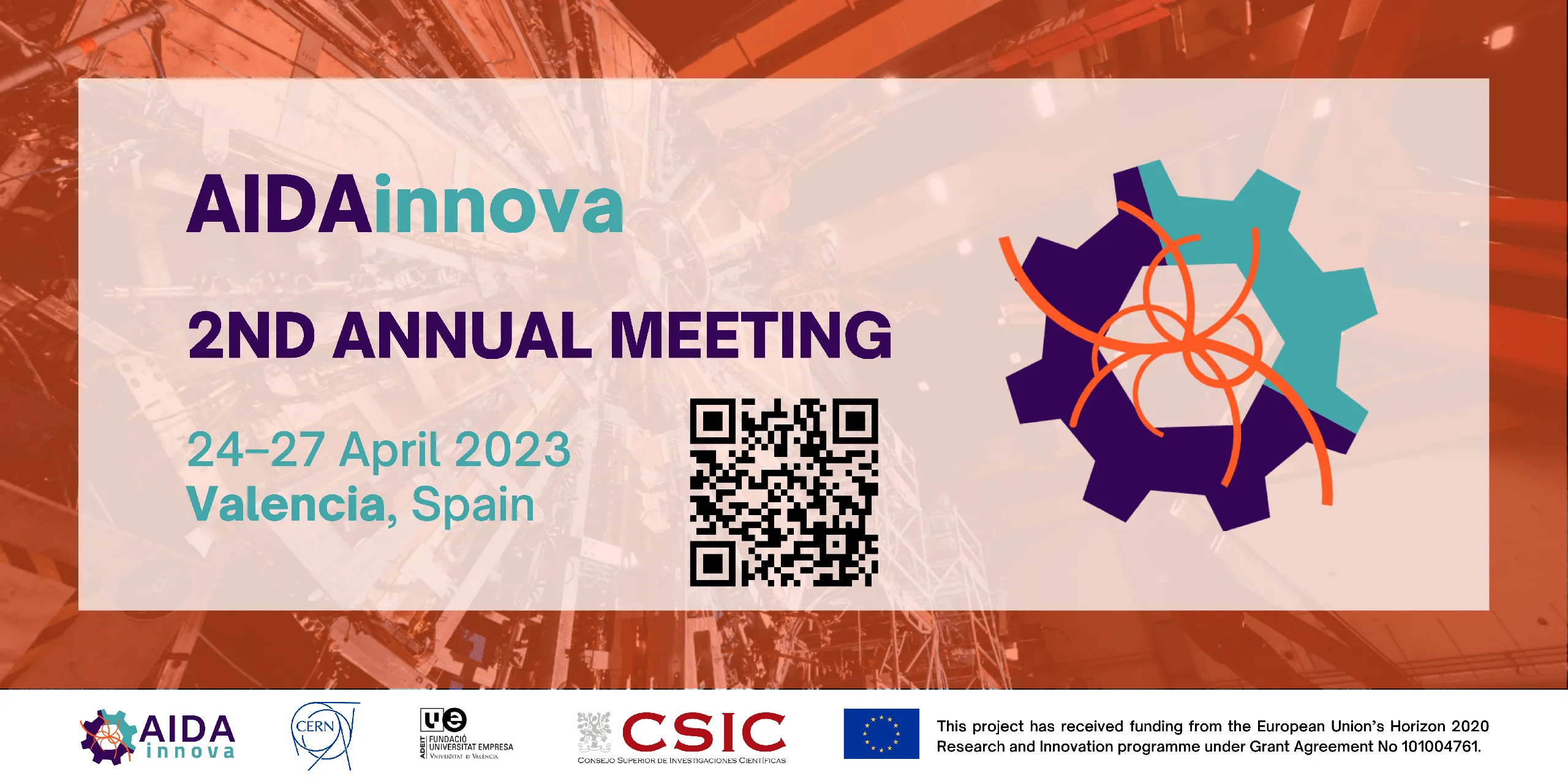
The AIDAinnova second annual meeting will take place in ADEIT and CSIC, Valencia from 24th to 27th April 2023. The event will assemble the 45 beneficiaries and numerous associate partners to discuss the scientific and technical achievements since the 1st Annual meeting on March 2022, as well as the plans for the third year of…
-
Call for Proposals for Prospective and Technology-driven (Blue Sky) R&D
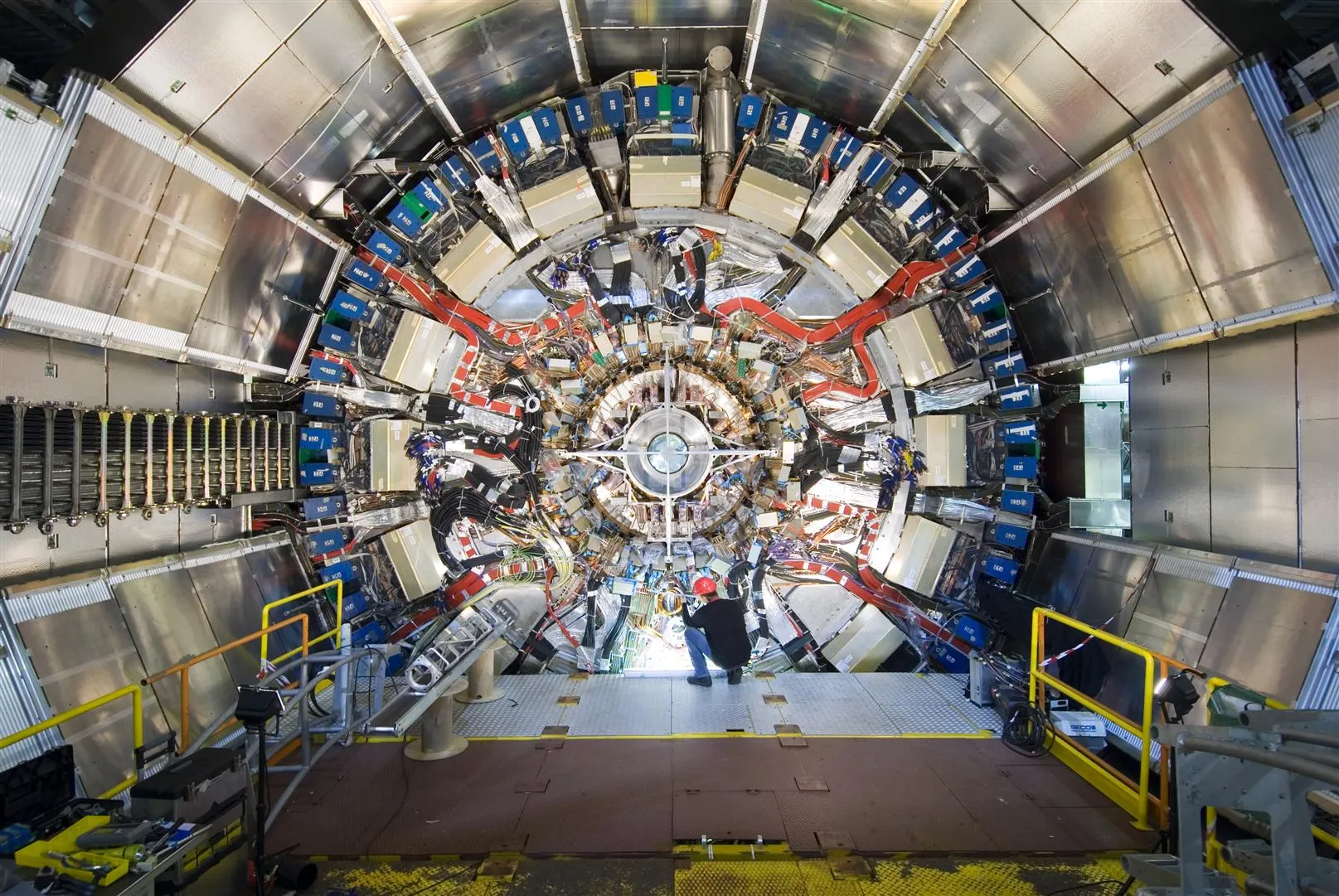
Call for Proposals for Prospective and Technology-driven (Blue Sky) R&D Discoveries in particle physics are technology-driven; AIDAinnova will provide state-of-the-art upgrades to research infrastructures, such as test beams, in order to unfold the scientific potential of detector technologies. The project will run for a duration of four years from April 2021 to March 2025 and…
-
AIDAInnova: Tailwind from the EC for concerted detector development
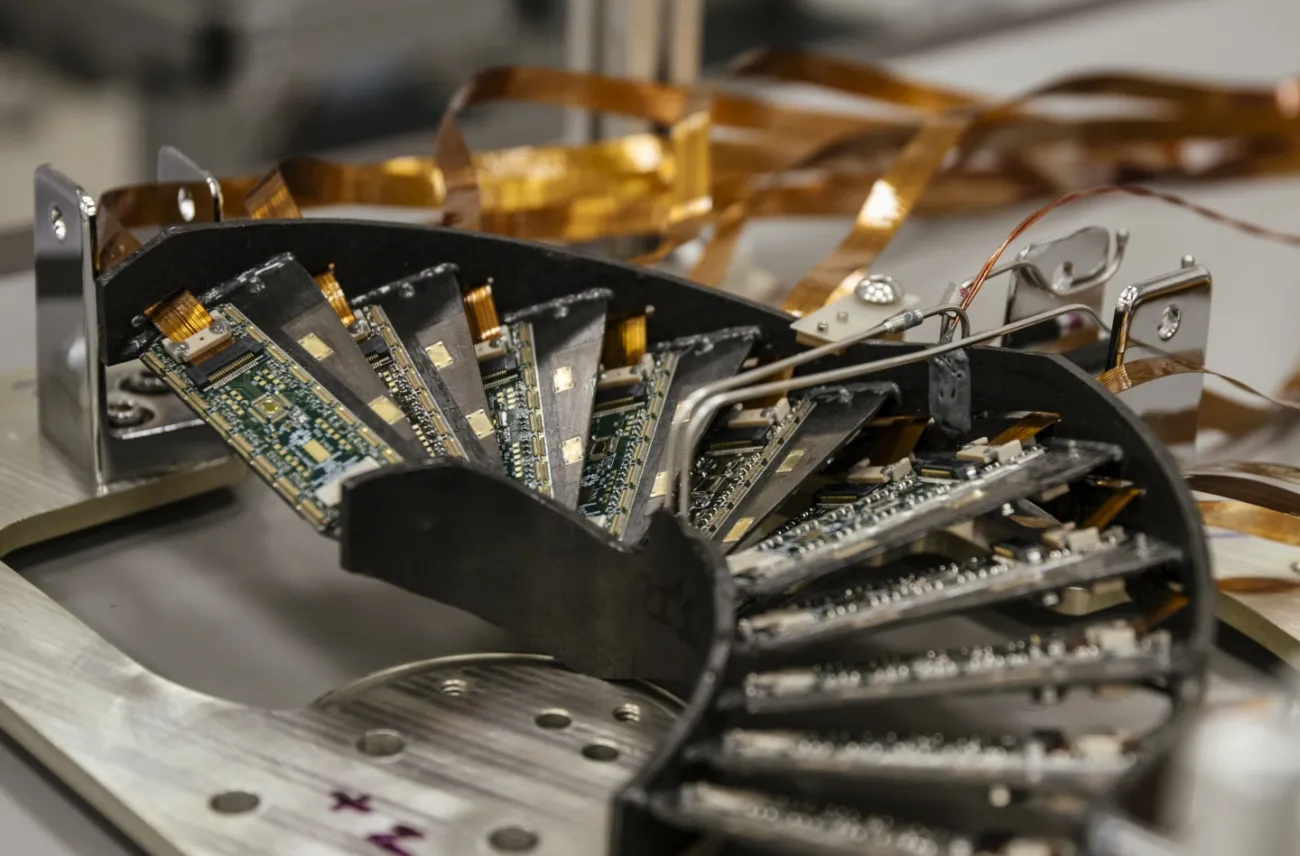
For more than two decades, a number of coordinated initiatives in Europe have targeted the fundamental and technological issues associated with the development and exploitation of the most advanced detectors for particle physics research. From the first type of detectors including photographic plates and bubble chambers to the state-of-the-art detectors used at the LHC experiments,…
-
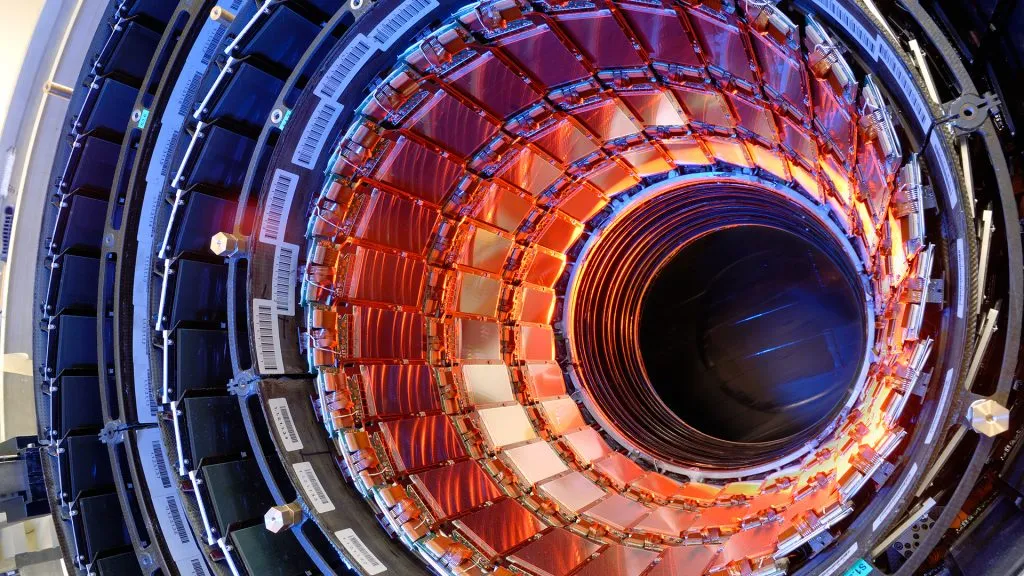
Announcing AIDAinnova: particle detector advancements for future accelerators
The first half of the CMS inner tracker barrel. The CMS (Compact Muon Solenoid) is one of the four experiments at the Large Hadron Collider (LHC), tasked with detecting the new particles that occur in the beam collisions at the centre of the experiment. It consists of three layers of silicon modules, which must withstand…
-

Five projects coordinated by CERN approved for funding
One way that CERN collaborates with academia and industry is through projects co-funded by the European Commission, under programmes such as Horizon 2020 (H2020). This month, all five CERN-coordinated project proposals submitted to H2020 Research Infrastructure calls were approved for funding, a first for the Organization. “These results demonstrate CERN’s outstanding success rate in Research…