Category: News
-
Findings of the ECFA Roadmap for R&D on Detector Technologies
Findings of the ECFA Roadmap for R&D on Detector Technologies This article was originally published in the EP Newsletter. By Susanne Kuehn (CERN) In two previous newsletter editions (1, 2) the process to develop a Roadmap for R&D on Detector Technologies was reported. As recommended in the European Strategy for Particle Physics Update (EPPSU) (3),
-

AIDAinnova’s Blue Sky R&D projects will look beyond the limits of existing detector technologies
AIDAinnova’s Blue Sky R&D projects will look beyond the limits of existing detector technologies By Rickard Stroem (DESY) AIDAinnova selected four Blue Sky research projects for funding. Significant technological advances within the field of particle detectors have often been made possible thanks to developments beyond the foreseen or intrinsic limits of existing technologies and often
-
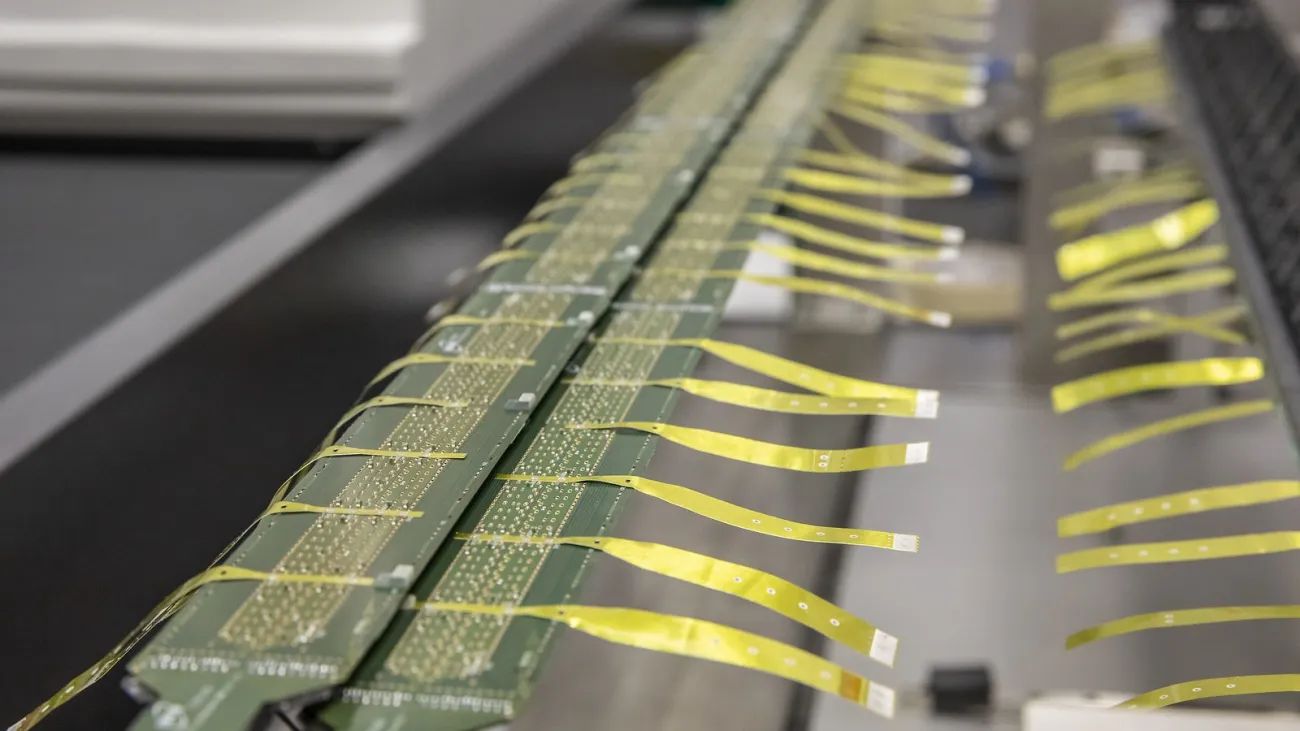
Update on the ECFA Roadmap for R&D on Detector Technologies
Update on the ECFA Roadmap for R&D on Detector Technologies This article was originally published in the EP Newsletter. By Susanne Kuehn (CERN) Note from the editor Since this publication of this article, the update to the ECFA Roadmap has been approved by the ECFA. We advise you Phil Allport’s presentatio, here, to learn more
-
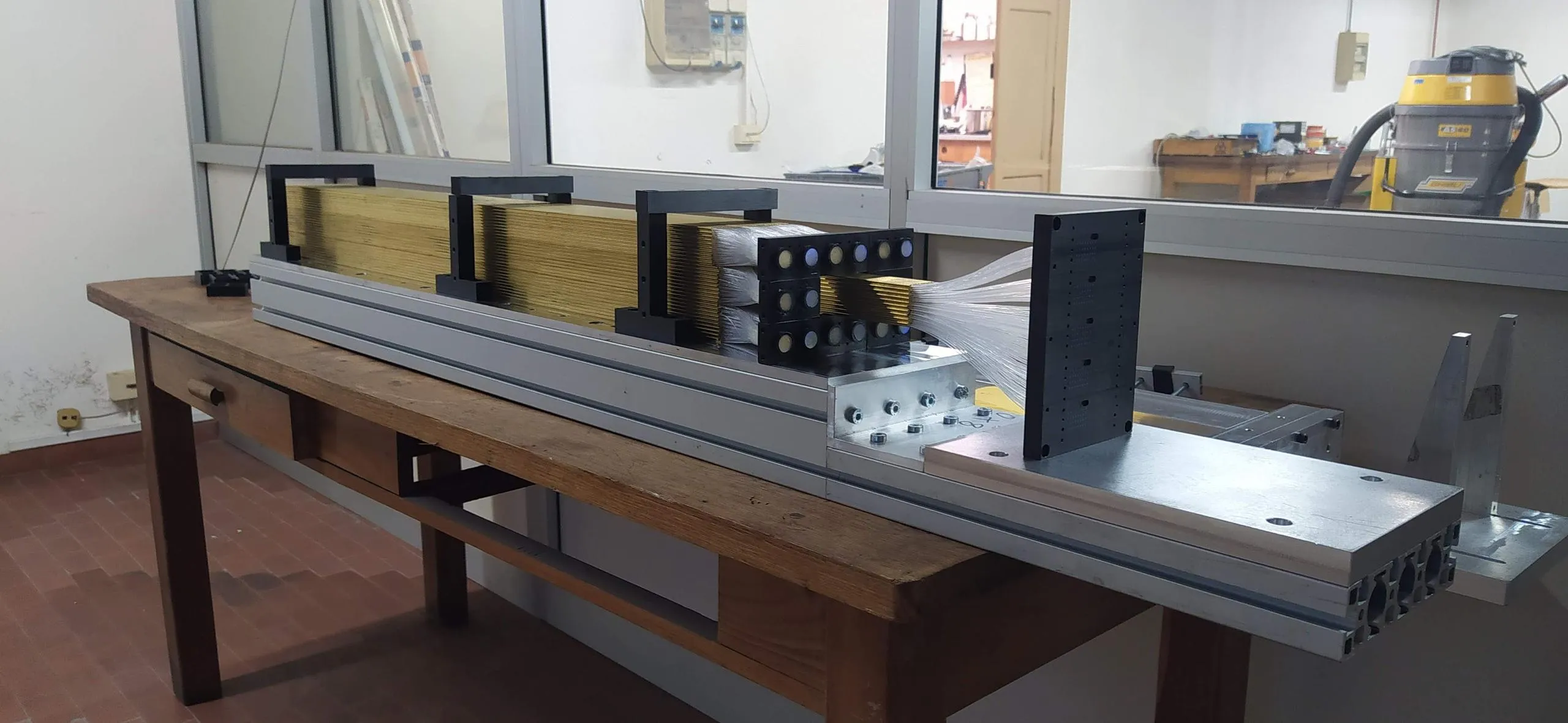
First beam tests for highly granular dual-readout calorimeter prototype
First beam tests for highly granular dual-readout calorimeter prototype The prototype, designed for the containment of electromagnetic showers, was qualified on beam, first at DESY with a pure electron beam with energies up to 6 GeV and secondly at CERN with electrons up to 100 GeV (image: INFN-PV Lab) By Roberto Ferrari (INFN) and Romualdo
-
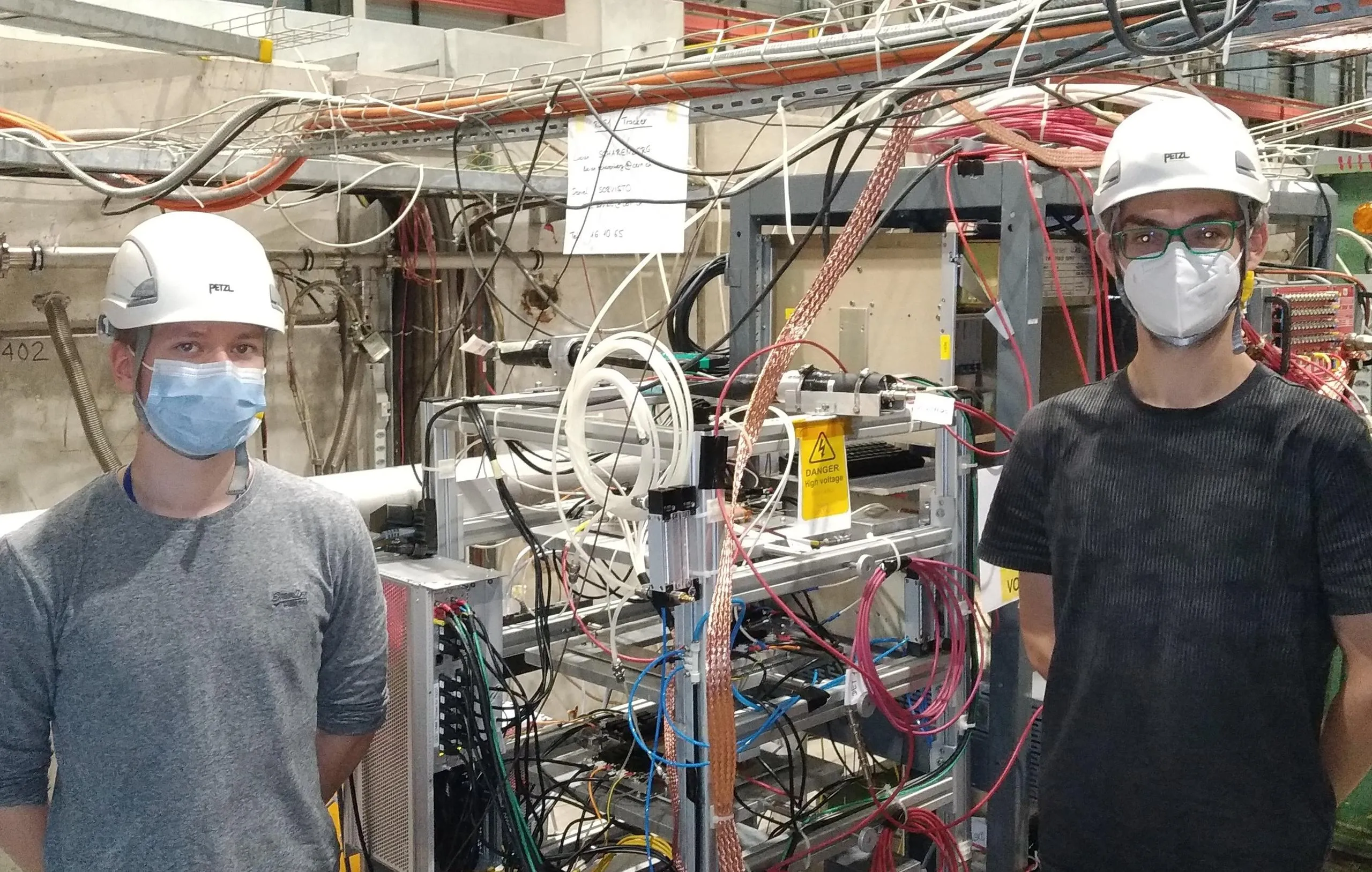
First characterisation study for front-end and data acquisition systems aimed at future micro-pattern gas detectors
First characterisation study for front-end and data acquisition systems aimed at future micro-pattern gas detectors By Lucian Scharenberg (CERN) In summer 2021, several state-of-the-art detector instrumentations conducted full characterisation studies at SPS. In order to match the increasing detector performance standards in precision and speed of new detectors for future experiments, it is necessary to
-
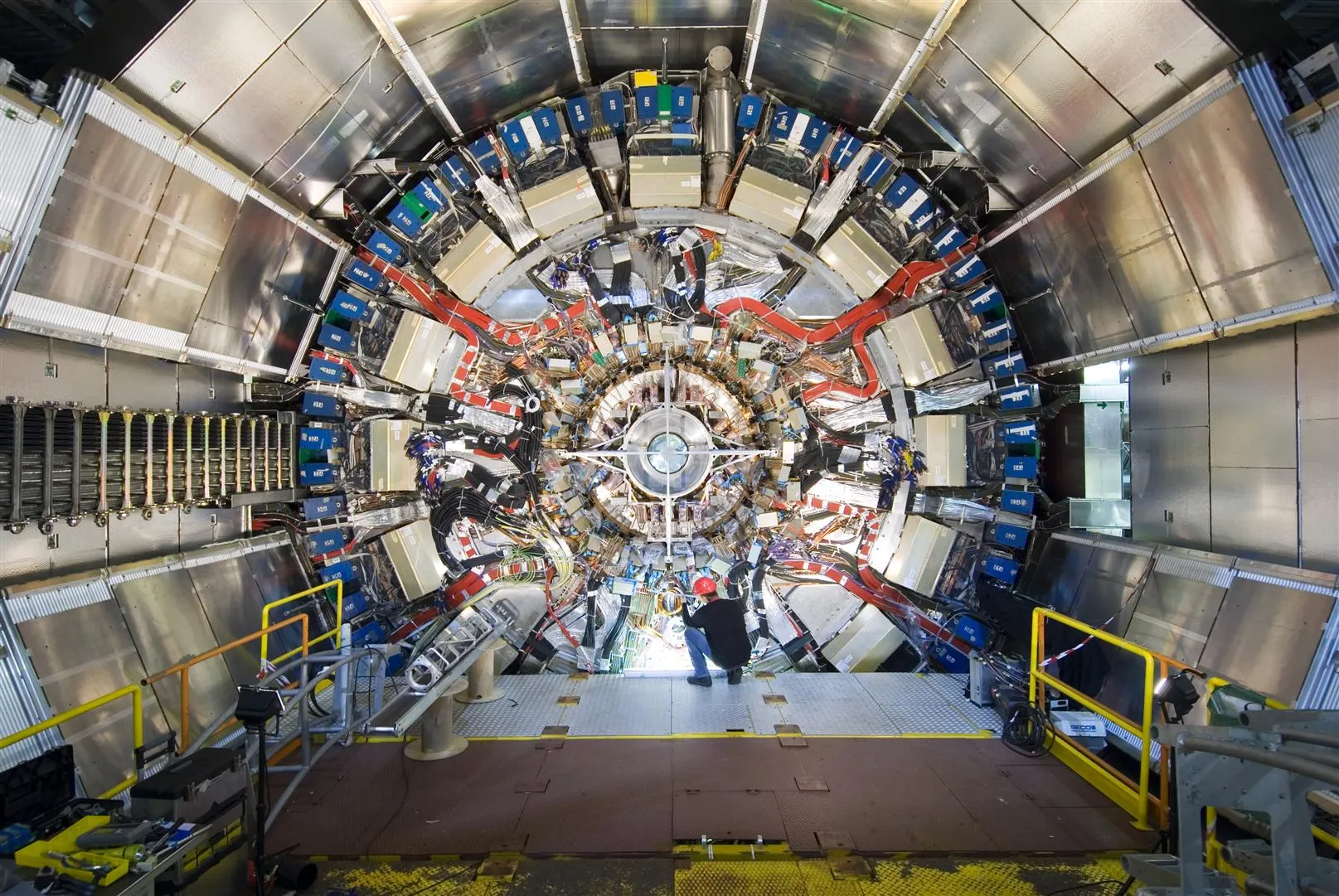
Call for Proposals for Prospective and Technology-driven (Blue Sky) R&D
Call for Proposals for Prospective and Technology-driven (Blue Sky) R&D Discoveries in particle physics are technology-driven; AIDAinnova will provide state-of-the-art upgrades to research infrastructures, such as test beams, in order to unfold the scientific potential of detector technologies. The project will run for a duration of four years from April 2021 to March 2025 and
-

AIDAinnova kicks-off a visionary work programme for particle detectors at accelerators
AIDAinnova kicks-off a visionary work programme for particle detectors at accelerators A new EU project called AIDAinnova (Advancement and Innovation for Detectors at Accelerators) will develop a variety of innovative particle detector technologies for experiments at future colliders. The virtual AIDAinnova Kick-off Meeting brought together over 300 representatives from international institutions and laboratories, researchers and
-
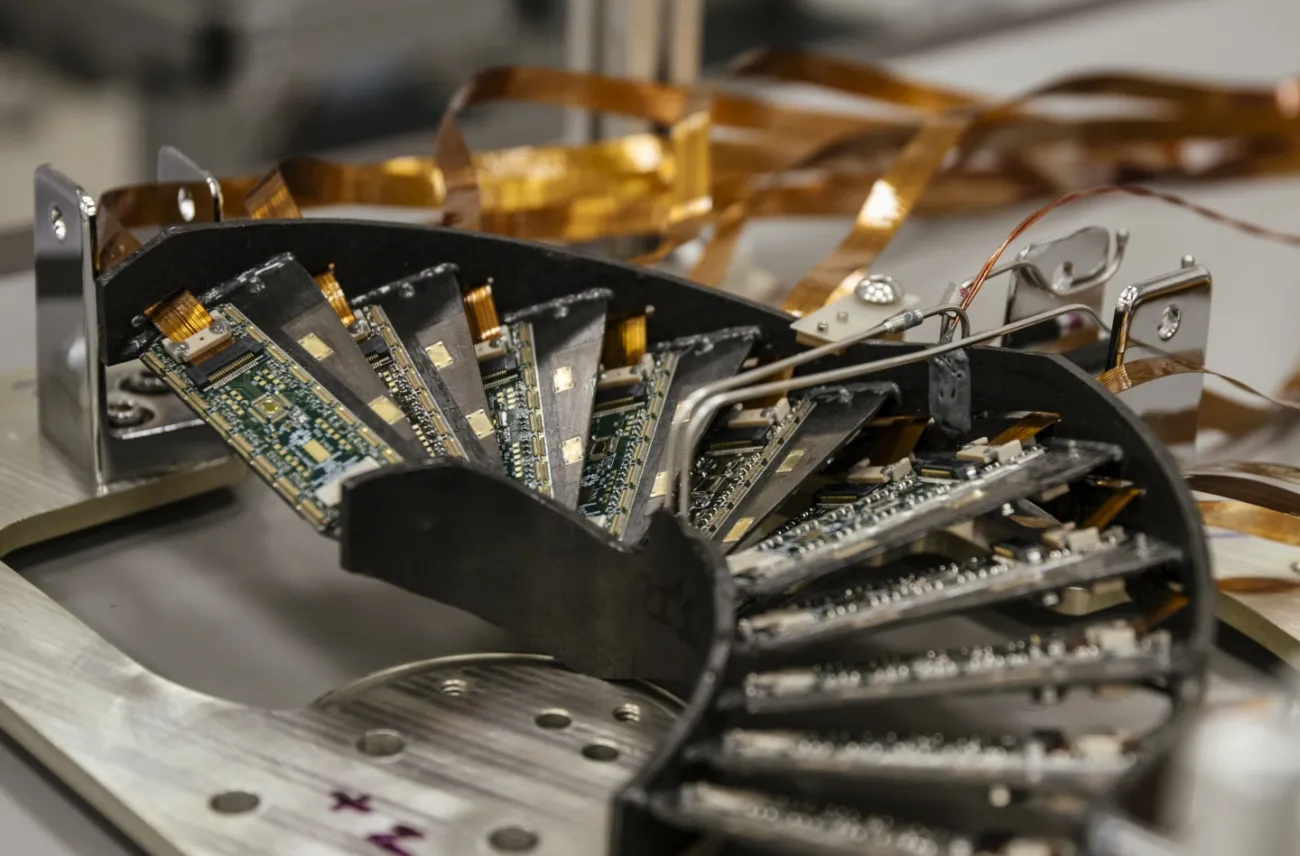
AIDAInnova: Tailwind from the EC for concerted detector development
AIDAInnova: Tailwind from the EC for concerted detector development For more than two decades, a number of coordinated initiatives in Europe have targeted the fundamental and technological issues associated with the development and exploitation of the most advanced detectors for particle physics research. From the first type of detectors including photographic plates and bubble chambers
-
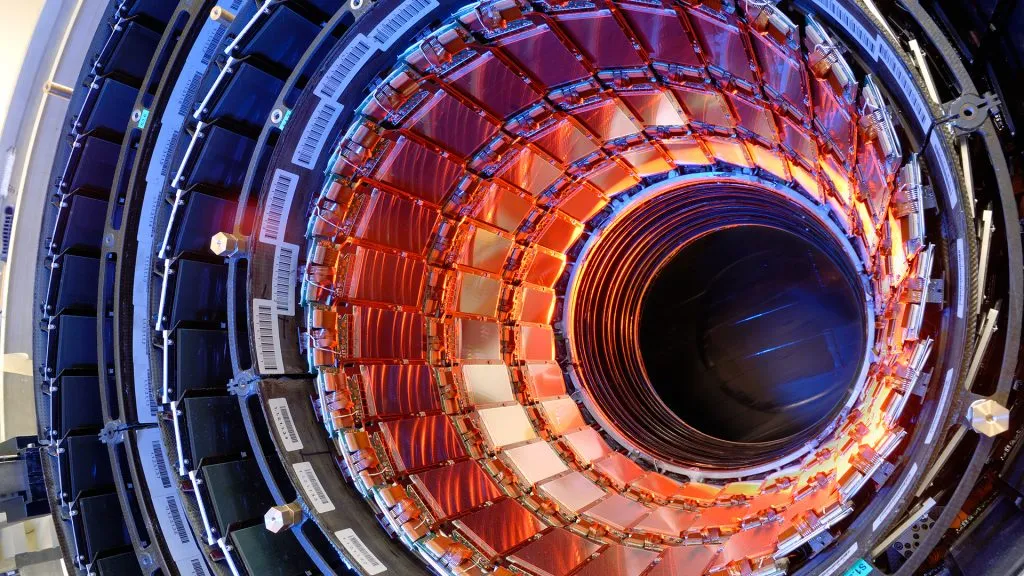
Announcing AIDAinnova: particle detector advancements for future accelerators
Announcing AIDAinnova: particle detector advancements for future accelerators The first half of the CMS inner tracker barrel. The CMS (Compact Muon Solenoid) is one of the four experiments at the Large Hadron Collider (LHC), tasked with detecting the new particles that occur in the beam collisions at the centre of the experiment. It consists of
-

Five projects coordinated by CERN approved for funding
Five projects coordinated by CERN approved for funding One way that CERN collaborates with academia and industry is through projects co-funded by the European Commission, under programmes such as Horizon 2020 (H2020). This month, all five CERN-coordinated project proposals submitted to H2020 Research Infrastructure calls were approved for funding, a first for the Organization. “These